Mystic Color By Number
LoveColoring GameBoard
4.894.00 Reviews
- Version
- 1.0.5
- Installs
- 50.00K
- Age Rating
- Everyone
Screenshots

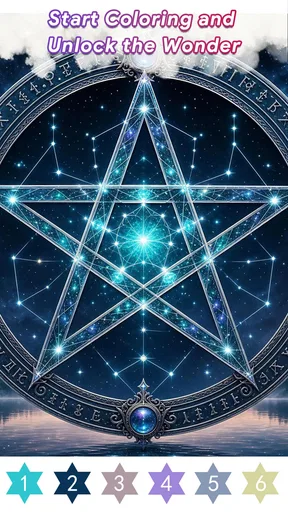

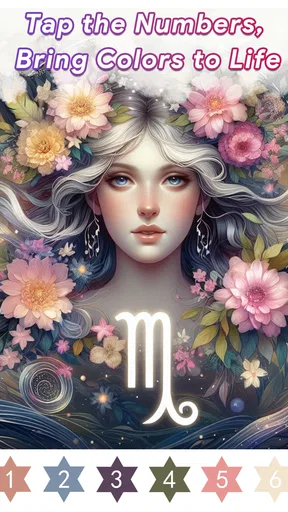
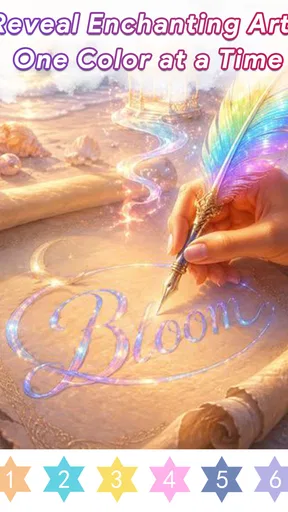
Our Review of Mystic Color By Number
 Analysis by Appyee
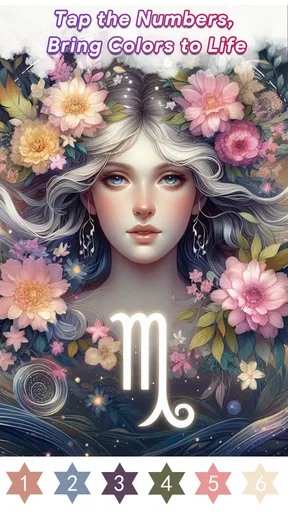
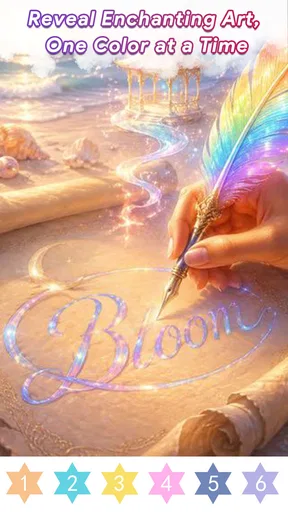
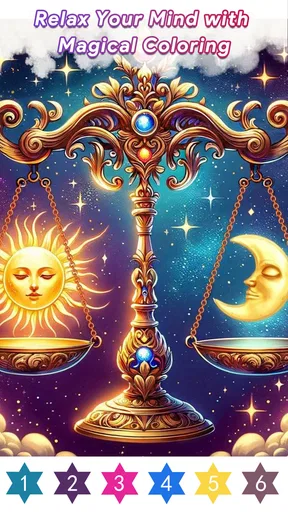
I went into Mystic Color By Number expecting a quiet coloring game, but its theme gives the familiar format a more distinctive mood. Instead of asking me to draw freely, it turns tarot-inspired imagery, zodiac designs, and magical symbols into numbered coloring puzzles. I tap a color, find the matching spaces, and gradually watch a dark outline become a finished piece. That simple action is the heart of the experience, and it works best when I want something calm rather than competitive.
This is a free board game from LoveColoring Game, rated for Everyone. It has reached over 50 thousand installs and holds an average rating of 4.8 from around 1.1 thousand ratings, which suggests that the relaxing coloring approach has found its audience. The current version is 1.0.5, and it runs on Android 8.0 or later. I would describe it as a low-pressure activity for short breaks, evening downtime, or anyone who enjoys mystical artwork without needing to learn complicated rules.
How the coloring loop feels in actual use
I found that the main sticking point is less about learning the coloring routine and more about settling into its pace: the numbered areas invite careful scanning, so a hurried session can feel fiddly rather than soothing. I treat a picture as a small visual task, not something to rush, and that makes it easier to notice when the theme and repetition are working for me. Before starting, I also make a quick check that the game is ready to run on my device.
The first action is deliberately easy
The opening interaction is uncomplicated: choose a numbered color and tap the parts of the image that belong to it. That matters because the game does not make me spend time learning a control scheme before I can relax. The board itself explains what to do through its numbered areas, so the first few taps feel more like settling into a routine than solving a puzzle.
The number-color relationship gives the artwork just enough structure to keep my attention. I am not making artistic decisions in the way I would with a blank canvas, but I am still involved in the reveal. Each tap removes another small piece of uncertainty. At first, the symbol or card can look fragmented; after a few correct choices, its theme becomes easier to recognize.
I found this especially suitable for moments when I wanted an activity that occupied my hands without demanding constant strategic thought. It can fit beside a cup of tea, during a short rest after work, or while waiting for an appointment. The mystical subject matter also makes it feel different from ordinary flower, animal, or landscape coloring collections, even though the underlying interaction is familiar.
There is a useful distinction here between relaxing and mindless. The game is easy to understand, but I still need to scan the picture, identify the remaining numbered spaces, and decide where to tap next. That small amount of attention prevents the session from feeling completely passive. At the same time, players looking for deep board-game strategy should not mistake the category label for a complex tactical experience. The board is the coloring surface, not a competitive game board.
Feedback keeps each tap moving forward
The strongest part of the design is the feedback rhythm. I select a number, tap matching areas, and see the picture become more complete. That repeated response gives every small action a visible purpose. I do not have to wait until the end to know whether I am progressing; the changing image provides a constant reminder that the unfinished work is shrinking.
That rhythm is also why the game can be more absorbing than its rules suggest. A single remaining patch may be easy to ignore in a normal picture, yet once most of the design is colored, it becomes an inviting target. I often find myself continuing not because the next step is difficult, but because the nearly finished image creates a gentle pull toward completion.
My practical tip is to work by color when I want the calmest possible session. Choosing one number and clearing its visible areas creates a tidy sequence, and it reduces the need to jump around the image. When I want a slightly more active session, I scan for isolated spaces and finish those first. Neither approach changes the rules, but switching between them helps prevent the tapping from becoming too repetitive.
The same feedback can expose a limitation. If you prefer making every artistic choice yourself, number coloring may feel restrictive. The finished result is guided by the puzzle rather than shaped by your own palette or brushwork. I see that as the central trade-off: the structure makes the game approachable and soothing, but it also limits creative freedom compared with a freehand coloring app.
The reward is the reveal, not a complicated score chase
The main reward is watching the complete design emerge. Tarot imagery, zodiac motifs, and magic-themed symbols benefit from this gradual reveal because their details are often more interesting once the color relationships are visible. The satisfaction comes from turning a partially hidden illustration into something recognizable and finished.
I appreciate that the reward is visual rather than dependent on pressure. There is no need for me to compete against another player or maintain a demanding streak to enjoy the basic activity. That makes it a better fit for people who want a peaceful board-style game than for players who measure fun through rankings, timed challenges, or elaborate progression systems.
There is also a small psychological benefit to the completion process. When I have had a scattered day, finishing a picture gives me a clear endpoint that other tasks sometimes lack. The game breaks a vague period of free time into a simple sequence: pick a number, fill the matching spaces, see the image improve, and finish the design. It is not a productivity tool, but the visible result can make a short break feel more complete.
Still, the reward will depend heavily on how much the theme appeals to you. If tarot, zodiac, and magical artwork feel uninteresting, the reveal may not be enough to sustain repeated play. Someone who prefers realistic scenery, licensed characters, or a broad creative drawing toolkit may find a conventional coloring app more rewarding. Mystic Color’s identity is tied closely to its subject matter, and that is both its advantage and its boundary.
Why another session begins after finishing
The reset is simple: once a design is complete, the natural question becomes which unfinished mystical image to color next. That transition works because the game does not require a dramatic change in rules. I already understand the action, the visual response, and the payoff, so starting again takes almost no mental preparation.
This creates a pleasant short-session pattern. I can stop after a few minutes if I only wanted a break, or continue if I am in the mood to complete another illustration. The same loop supports both uses. It does not punish me for leaving after a brief visit, and it does not force me to commit to a long sitting before the activity becomes enjoyable.
For everyday use, I would keep it as a “small pause” game rather than treating it like a primary entertainment title. For example, after finishing dinner, I might open it while listening to a podcast and color until I feel ready to move on. The interaction is repetitive enough to coexist with light background listening, although I would not pair it with anything that requires close concentration because finding small numbered areas still needs attention.
The reset can become less compelling for players who need constant novelty. Since the core action stays the same, the artwork has to provide most of the motivation to return. If you expect new mechanics, increasingly demanding puzzles, or a story that changes from session to session, this will probably feel too narrow. Its strength is consistency, not variety in the traditional board-game sense.
Free access and the point where spending matters
The game is free to start, which makes it easy to test whether the visual style and coloring loop suit you before spending anything. Optional in-app purchases range from $0.99 to $9.99 per item. I would treat those purchases as a personal convenience decision rather than part of the basic reason to install the game. The no-cost entry is enough to judge whether you enjoy the central routine.
My advice is to play several short sessions before considering a purchase. The important question is not whether the mystical theme looks attractive in a preview; it is whether you still enjoy locating numbered spaces after the initial novelty fades. If the answer is yes, an optional item may feel worthwhile. If the tapping already feels repetitive, spending more will not change the underlying loop.
This is also where Mystic Color differs from a traditional physical board game. A tabletop game usually offers rules, social interaction, and decisions that can change the outcome. Here, the board-like quality comes from the organized puzzle surface and the act of completing it. You gain convenience and a quiet solo experience, but you give up face-to-face play and the richer strategic choices found in many board games.
Who will get the most from it
I would recommend it first to people who enjoy color-by-number activities but want a more atmospheric theme. It is a good match for casual players, fans of symbolic artwork, and anyone who likes a clear visual task with a gentle finish line. The Everyone rating also makes its presentation broadly accessible, although individual interest in mystical subjects will still determine whether it feels inviting.
It may also suit households where different people want to use the same device for quiet entertainment. A player can understand the interaction quickly, and the absence of complicated controls lowers the barrier to entry. I would still suggest letting each person choose at their own pace rather than turning completion into a competition, because the game’s appeal comes from relaxation more than performance.
On the other hand, I would skip it if your priority is multiplayer interaction, strategic decision-making, freehand art, or a strong narrative. It is not the right replacement for a competitive board game, a drawing studio, or a story-heavy adventure. Even within coloring games, an alternative with brushes, custom palettes, or more open-ended composition would be better for someone who wants authorship over the final image.
Small habits that make the experience better
One useful workflow is to begin with the largest visible groups of a selected number. Clearing those areas quickly makes the image change sooner, which strengthens the sense of progress. After that, I look for narrow corners and isolated patches that are easy to overlook. This two-stage approach is more satisfying than randomly tapping because it combines a quick visual transformation with a deliberate cleanup pass.
Another tip is to stop at a natural visual milestone instead of waiting until every session becomes a full completion attempt. If the central symbol has become clear or the main figure is mostly colored, that can be a good stopping point for a short break. Returning later feels easier because I can immediately see what remains, rather than starting from an entirely blank design.
I also recommend judging the game by the quality of its quiet moments, not by how much content you can rush through. The number-color system is designed around repetition, so speeding through every image may make it feel mechanical. Slowing down and treating each completed section as the reward gives the artwork more room to carry the experience.
These habits reveal the main design trade-off. The game gives me a reliable way to settle my attention, but it does not offer much room to reinvent the activity. Its value rises when I want dependable calm and falls when I want surprise. That is a meaningful distinction to consider before installing it.
My verdict on the complete loop
Mystic Color By Number succeeds because its loop is easy to feel: I choose a number, tap matching spaces, watch a mystical image take shape, finish the remaining details, and begin another design when I want the same calm again. The action is accessible, the feedback is immediate, the reward is visual, and the reset is effortless. That combination makes it a comfortable companion for short breaks.
LoveColoring Game has kept the focus narrow, and I think that is intentional rather than a flaw by itself. The game does not try to become a strategy board game or a full drawing application. Its best use is as a themed color-by-number experience with a relaxed pace. The 4.8 average and over 50 thousand installs show that this focused approach is connecting with players, but personal taste still matters more than those figures.
I would install it if I wanted tarot, zodiac, and magic-inspired artwork presented as a soothing completion ritual. I would pass if I needed social play, deep rules, or unrestricted creativity. For the right player, the free starting point makes that decision easy: try the first sessions, notice whether the repeated taps help you unwind, and continue only if the next unfinished symbol genuinely makes you want to return.
Verdict
Strengths of Mystic Color By Number
- Relaxing coloring experience suitable for short or extended sessions.
- Large variety of mystical designs, including fantasy and magical themes.
- Simple tap-to-color controls are easy for beginners to understand.
- Helpful hints make difficult or hidden color sections easier to complete.
- Completed artworks can be saved and shared with friends or family.
Limitations of Mystic Color By Number
- Some detailed pictures can take considerable time to finish.
- Hints and extra content may be limited without watching ads or paying.
- Small color sections may be difficult to select on compact screens.
- The experience can become repetitive after coloring many similar images.
- An internet connection may be needed for certain features or artwork.
Other Releases by LoveColoring Game
View All
Fairytale Color by number game
Board4.9

Tangle Color by Number Book
Board4.9

Country Farm Coloring Book
Board4.9

Pop Color - Paint by number
Board4.8
Similar Picks in This Category
View All
Ludo King®
Gametion4.1

Ludo
Yarsa Games4.6

Tile Master® - Matching Game
Higgs Studio3.6

Checkers Online
CC Games4.6

Dominoes
Loop Games4.7

Chess
Chess Prince4.6
Frequently Asked Questions
What is Mystic Color By Number?
Mystic Color By Number is a relaxing coloring game for Android and iOS in which you complete illustrated pictures by matching numbered sections with the correct colors. Its artwork generally focuses on magical, fantasy, nature, and mysterious themes, making it appealing to users who enjoy creative activities without needing traditional drawing skills. The simple tap-to-color system is suitable for short sessions or longer, calming play.
How does the coloring gameplay work?
After selecting an image, the game displays numbered areas that correspond to specific colors in the palette. You tap the matching sections to fill them, and the picture gradually becomes complete as you progress. If a section is difficult to find, hint-style assistance may help locate it, depending on the version. The controls are straightforward, so beginners can start coloring immediately.
Is Mystic Color By Number free to download and play?
Mystic Color By Number can generally be downloaded without an upfront payment, but the exact business model may vary by platform and version. The app may include advertising, optional in-app purchases, premium artwork, extra hints, or other paid features. Before installing, check the Google Play Store or Apple App Store listing for current pricing, subscriptions, and purchase details, since these conditions can change.
Does the game require an internet connection?
An internet connection may be needed for the initial download, advertisements, account-related services, new picture collections, and synchronization. Some previously available coloring pages may remain playable offline, although offline access can differ between Android and iOS versions. If you plan to use the game while traveling or without mobile data, open it once online and test which features continue working before relying on it offline.
Is Mystic Color By Number suitable for children and all ages?
The basic gameplay is easy to understand and can be enjoyable for children, teenagers, and adults who like relaxing creative games. However, parents should review the app’s age rating, advertising, in-app purchases, privacy information, and any online features before allowing younger children to use it. The artwork and promotional content can vary by update, so parental supervision is recommended for child accounts.
Play our best games!


